

The Effects of a Stroke: Tone and Spasticity in the Extremities
Written By Jessica Dietz, PT, DPT, NCS ·
According to the American Heart Association, someone in the United States has a stroke every 40 seconds, and stroke remains the leading cause of serious long-term disability in the country. Up to 80% of strokes can be prevented through lifestyle changes (especially exercise) and management of atrial fibrillation, diabetes, high blood pressure and cholesterol.
There are two types of stroke. Ischemic strokes are the most common and most preventable; they occur when blood flow to the brain is disrupted by narrowed or blocked arteries or blood clots. Hemorrhagic strokes are less common and result from a blood vessel bleeding in the brain, such as an aneurysm.
Depending on location, severity and other factors, every stroke is different. Possible effects include weakness, difficulty speaking or swallowing, numbness, altered cognition, vision changes and balance difficulties. Only about 10% of patients recover fully; nearly 90% have some mild to severe impairment that may require ongoing rehabilitation or medical management.
One common, frustrating and potentially debilitating effect is “tone” and/or “spasticity.”
What are tone and spasticity?
Your doctors may use these terms to describe stiffness in your limbs. Although they can occur in the neck and trunk, they are more common in the extremities after a stroke. The terms are often used interchangeably, but they are different and are managed differently, and you can have both.
Everyone has some tone: the body’s underlying resting resistance to movement or stretch. Low tone (hypotonicity) makes limbs very easy to move; after a stroke we more commonly see too much tone (hypertonicity), which causes stiffness and resistance to movement.
Spasticity is resistance to quick movement caused by a fast stretch of the muscle. A quick stretch of the calf while sitting, for example, can produce clonus, a rapid beating of the leg. Spasticity is different from muscle spasms, which occur randomly without a stretch.
Why it matters
Normally the brain moderates the body’s response to movement and stretch. After a stroke that inhibition is often lost, leaving over-excited neurons and nerve tracts. Hypertonicity and spasticity can lead to postural changes, contractures (permanent loss of a joint’s range of motion), balance problems and pain.
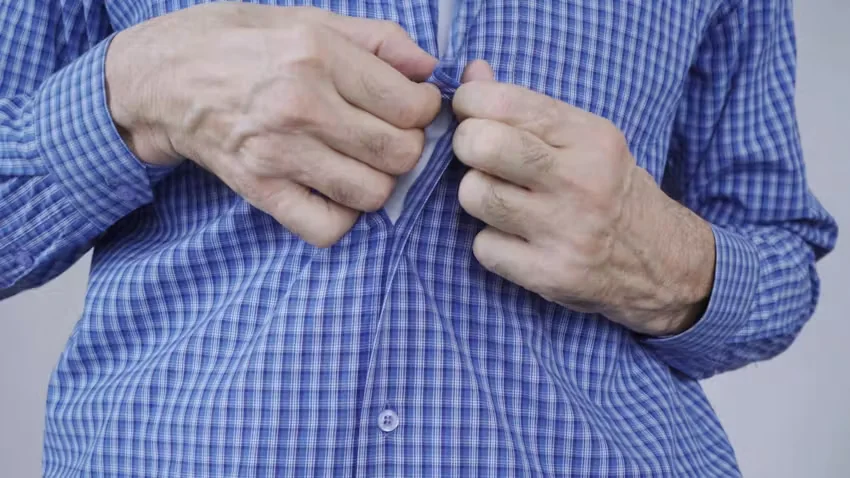
Example 1, hypertonicity in the arm and hand: the arm stays stiff and hard to move for dressing and daily tasks, and the hand stays clenched, making fine-motor tasks such as holding a utensil difficult. The limb can be stiff, weak and painful at once.
Example 2, spasticity in the leg: a spastic quadriceps can cause the knee to hyperextend or the leg to stay stiff when stepping or climbing stairs. Spastic muscles are often weak muscles, and some people use their spasticity to stand; too much medication can then make standing and walking harder.
How tone and spasticity are managed
Medication is usually the first treatment: baclofen, clonazepam, dantrolene, diazepam and tizanidine are common. Higher levels may be treated with botulinum toxin injections, phenol or alcohol injections, or an intrathecal baclofen pump, all managed by your doctor to balance effect against side effects.
Physical therapy and exercise provide conservative management and help most in three ways:
- Using the window of opportunity after medication or injections. Botulinum toxin, for example, is most effective within 3 to 90 days, when there is more range of motion, less resistance and less pain for therapy to build on.
- Optimizing function despite tone or spasticity. Some abnormal tone usually remains, so you learn techniques to move and function safely and independently with it.
- Skilled observation of movement, working with your doctor to find the medication dose and injection sites that allow the most mobility and independence.
Other non-medical treatments used in therapy include vibration, electrical stimulation, taping, orthotics or bracing and adaptive devices. The most successful treatment remains specific stretching and strengthening tailored to you; our therapeutic exercise and hands-on techniques pages describe the approach.
Preventing a stroke
Again, 80% of strokes can be prevented. The most important steps are exercising and moving more, eating well, maintaining a healthy weight, quitting smoking, limiting alcohol and keeping regular doctor visits. The National Stroke Association and American Stroke Association publish detailed prevention guidance.
How Therapydia Denver can help
Our therapeutic exercise and hands-on techniques are tailored to the stiffness and weakness that follow a stroke, and we coordinate with your physician on timing around injections. Balance training is part of most plans. Request an appointment to talk about a plan, or read about exercising safely with multiple sclerosis, another neurologic condition we treat.